PHOTOS BY TOM ADKINSON
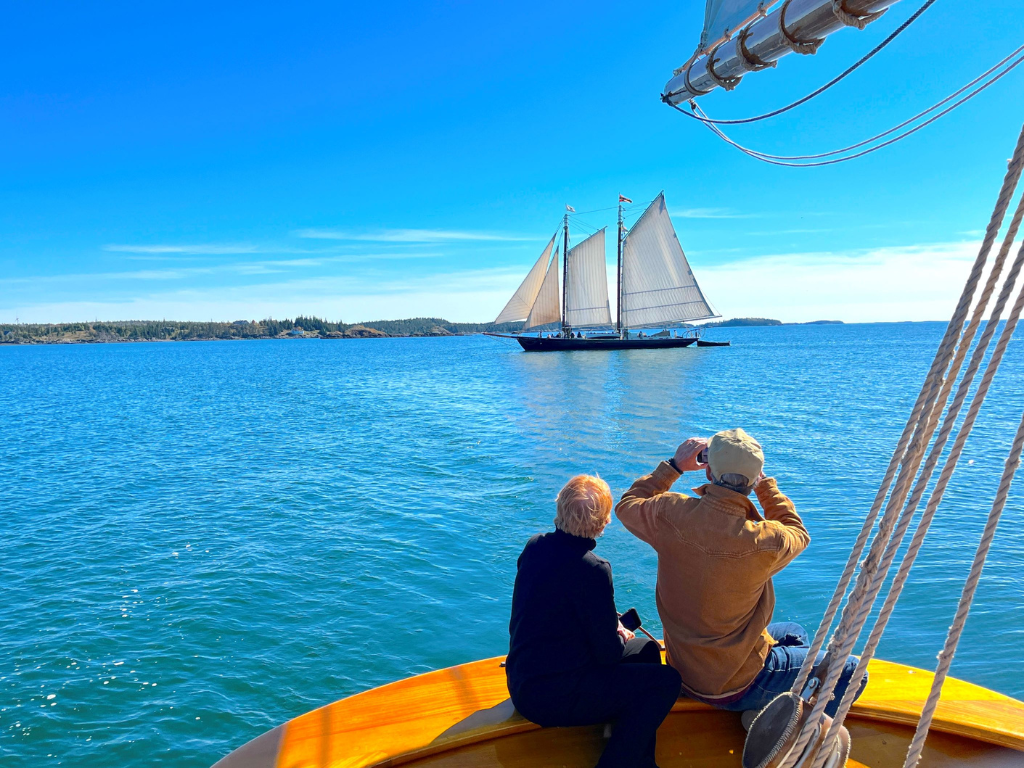
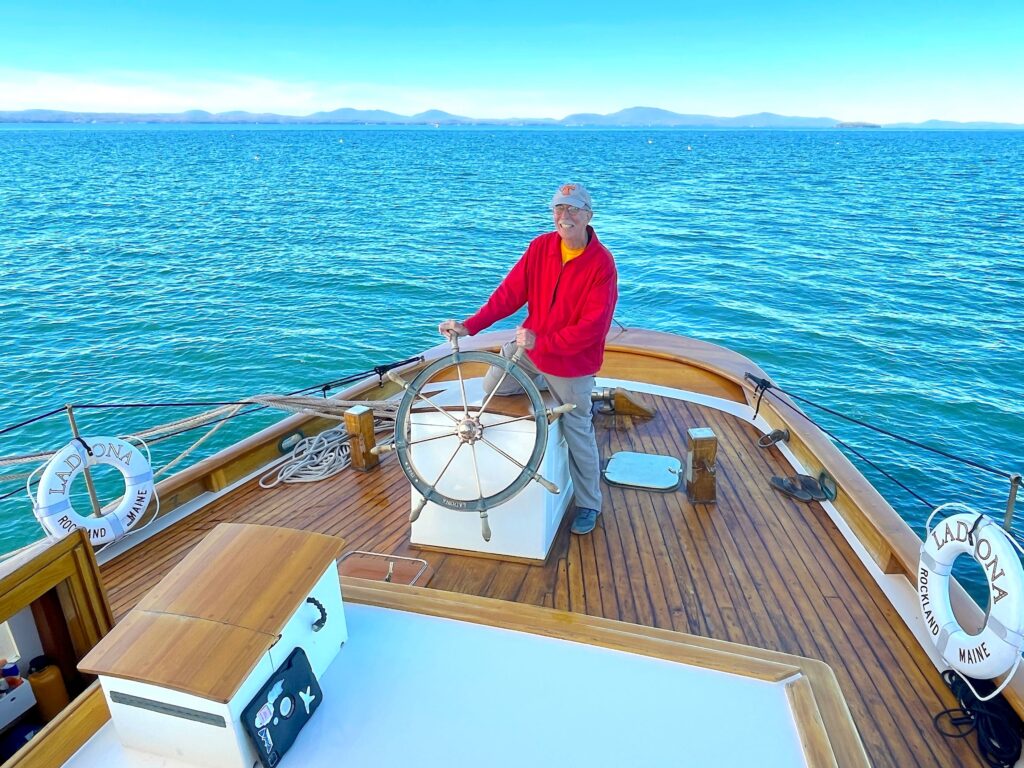
As the Ladona, a sleek two-masted schooner, glided past the breakwater at Rockland, Maine, the cruise ship Zuiderdam loomed nearby. The Zuiderdam is one of the giant ships that manages to call on Rockland and nearby Camden by anchoring offshore and ferrying passengers to shore. The contrast couldn’t have been more startling.
The Zuiderdam is 935 feet long, carries up to 2,364 passengers, and has a crew of 817. Its itineraries stretch from Norway to Baja California. The Ladona is 105 feet long, the width of the Zuiderdam, accommodates 17 passengers, and has a crew of five, including the chef. It rarely gets more than 100 miles from Rockland.
Trips on the Zuiderdam and legions of other cruise ships are exercises in luxury, complete with stage shows, casinos, white tablecloth restaurants, and spas. The Ladona and just a handful of similar vessels offer true overnight sailing experiences and a taste of life from another era. Their only spa treatments are sea-spray facials, an ancillary benefit of zipping along in a brisk wind and a slight chop on Penobscot Bay.
The Ladona is part of the Maine Windjammer Association, a fleet of nine boats offering trips of three to eight days out of Rockland and Camden. There is a relaxing pattern to their trips, even though they are somewhat unpredictable. The boats go where the winds and tides permit, sailing in the daytime, pausing in tiny villages for walkabouts, and easing into quiet harbors as the sun slides toward the horizon.
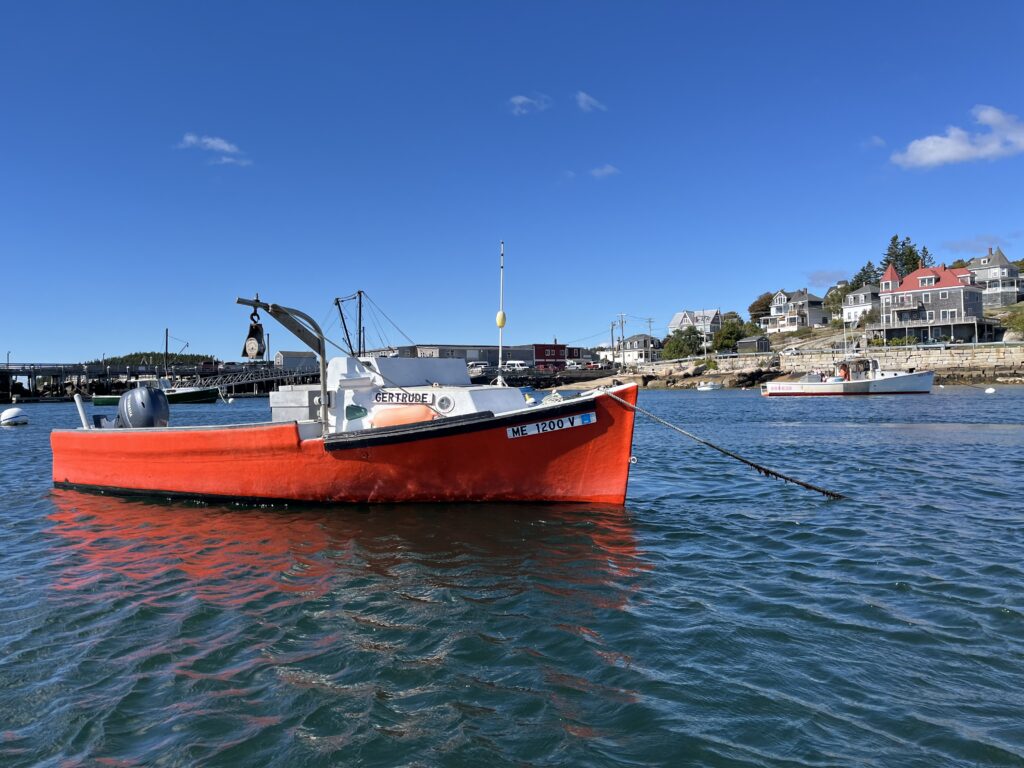
The nine boats keep the heritage of coastal sailing alive. In a delightful turn of events, they have turned their windjammer identification from a pejorative into a romantic term that attracts passengers from around the world. However, just a few people at a time can enjoy the experience – the highest-capacity windjammer is the 30-passenger Heritage.
Before the age of steam and diesel, windjammers by the hundreds flourished. They were workhorse vessels that became obsolete. Crews on the ships with engines looked down their noses at their hard-working, more weather-dependent brethren and condescendingly called them windjammers. Still, their vessels were nowhere nearly as picturesque as were the white-sailed schooners.
Each Maine windjammer has a story to tell. The two oldest, the Stephen Taber and the Lewis R. French, filled their sails for the first time in 1871. They and others were working boats, transporting timber, granite, and fish. Another three were purpose-built for overnight windjamming. The youngest, the Heritage, built in 1983, is already into its fifth decade. The Ladona was the racing yacht of a wealthy industrialist, and its biography includes World War II service patrolling the East Coast for German U-boats.
The experience they all deliver sprang from the dream and business plan of one man, Frank Swift, in the 1930s, according to J.R. Braugh, co-owner of the Ladona, and who has skippered seven other Maine windjammers. Swift’s formula was sailing where the winds blow, exploring coastal villages on foot, finding quiet anchorages at night, having a lobster bake on a deserted beach, and enjoying the sea, good company, and all that nature offers.
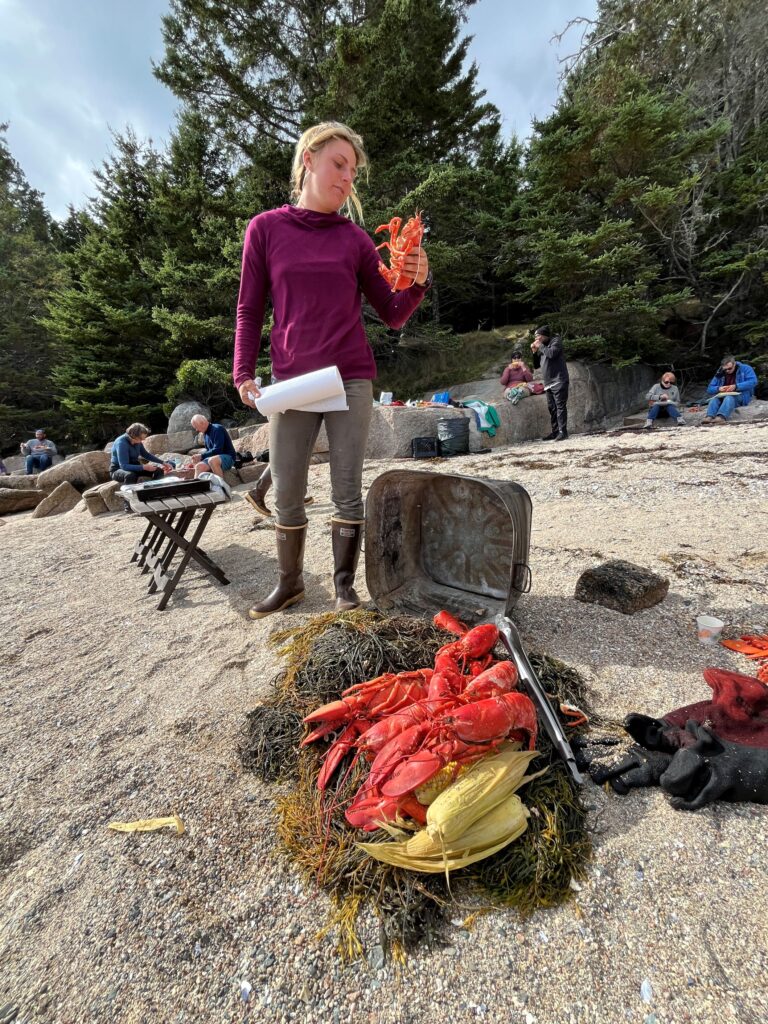
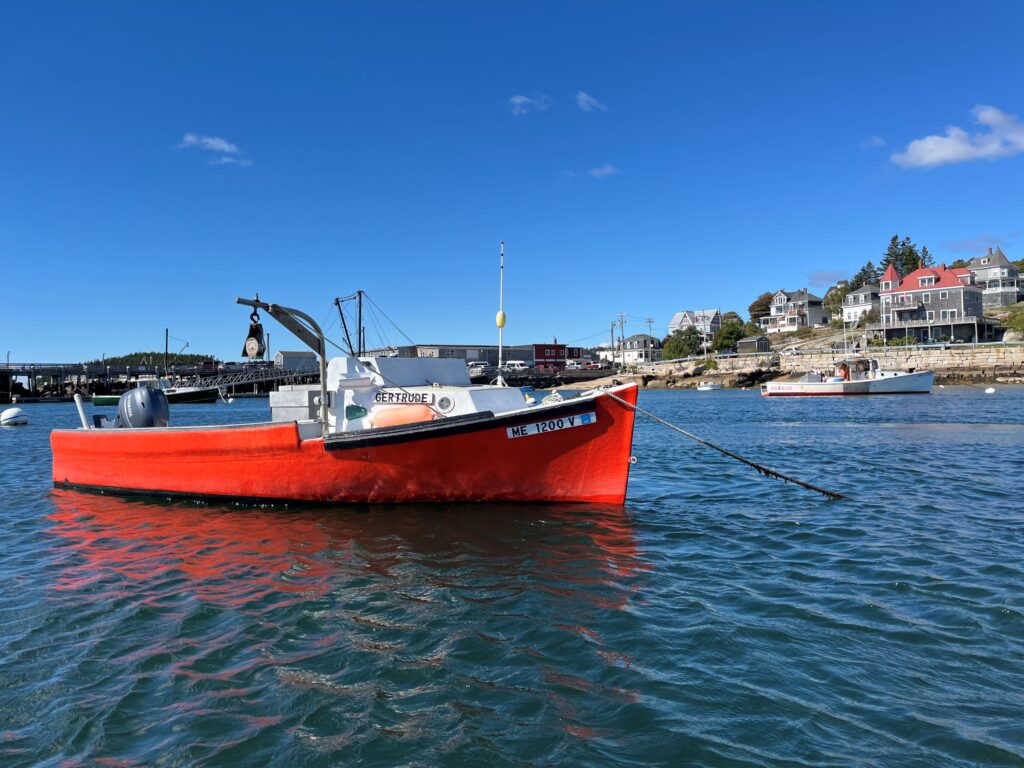
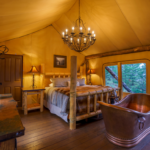
Sleeping quarters are, shall we say, cozy, but no one is aboard a windjammer to sit inside. The windjammer experience Frank Swift wanted everyone to have is outside, soaking up the rays, watching for harbor seals, porpoises, and bald eagles, telling stories, and waiting for the chef to announce the next meal’s menu.
Chef Anna Miller on the Ladona works magic in a kitchen smaller than a college dormitory room, noting that her skill comes from a culinary degree and two Italian grandmothers. With only a kerosene stove and oven, she bakes every day (molasses-flavored “Newfie” bread, dinner rolls, anadama, beer bread spiced with jalapeños, fruit pies, cobblers, and a key lime pie with a brûlée top).
Lunches often feature hearty dishes such as artichoke soup with duck confit or chicken escarole and white bean soup. After the evening’s anchorage is found, a happy hour with cheeses, charcuterie, and fruit precedes dinner with entrees such as pork ribs with Maine blueberry barbecue sauce, clam pot pie, and Sambal chicken. Fresh vegetables come from local farmers. No one leaves the table hungry, and no one ends a windjammer cruise without stories to tell.
What to know: mainewindjammerfleet.com has details on all nine schooners. The sailing calendar is from late May to October. Dress is super-casual, important because luggage space is minimal. Swimwear is advisable in the warmest months. You can help raise the sails, but there’s no requirement to pitch in.
Nashvillian TOM ADKINSON is a Marco Polo member of the Society of American Travel Writers and author of 100 Things To Do in Nashville Before You Die. His own watercraft is a solo canoe.
Share this story
To share this on your Instagram Story: Tap “Share” to copy the link. Open Instagram, go to “Your Story,” add a background photo/video, tap the 🔗 icon, paste the link, and hit Done. Add stickers or text like “Check this out!” then tap “Your Story” to post. Quick and easy—thanks for sharing!