
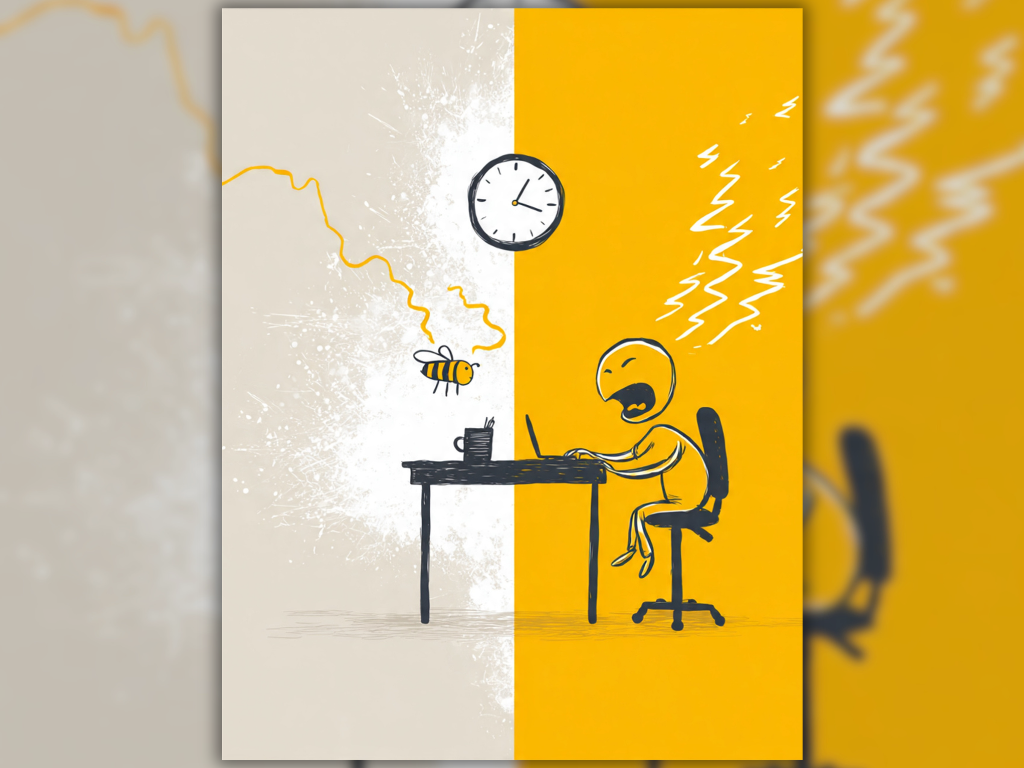
In today’s always-on world, stress seems to have become an accepted part of modern life. Between professional demands, family life, and the constant digital distraction, stress bombards us every day. Though it is most commonly linked to negatively impacting mental and cardiovascular health, stress’s effect on oral health is frequently overlooked—yet significant.
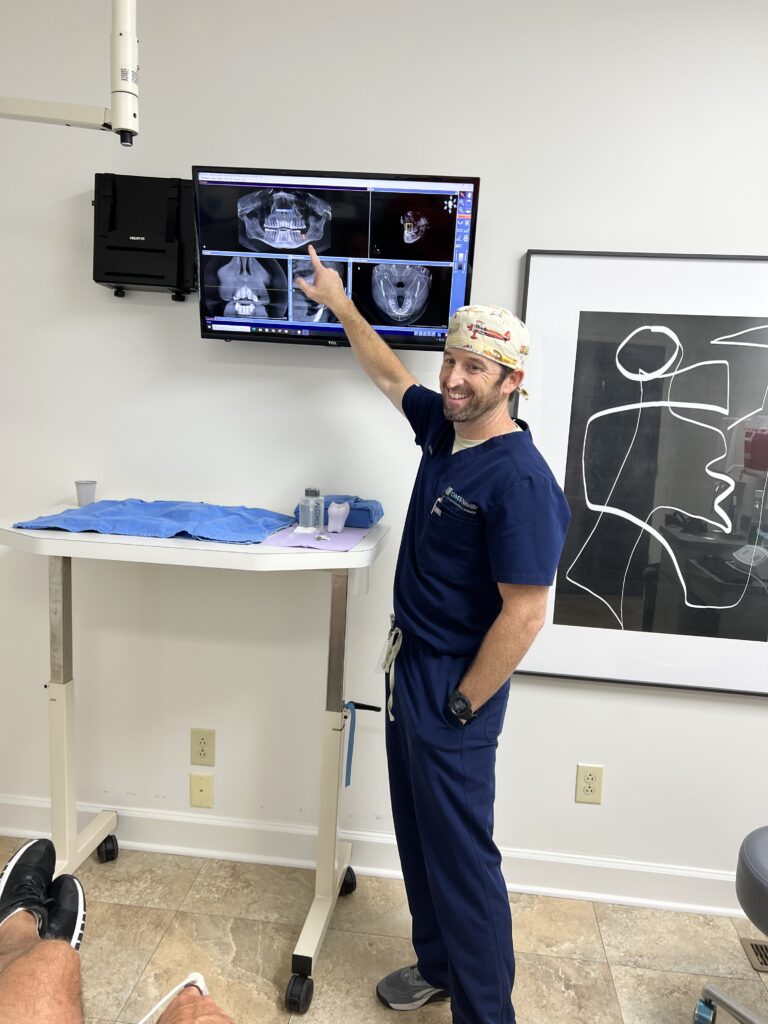
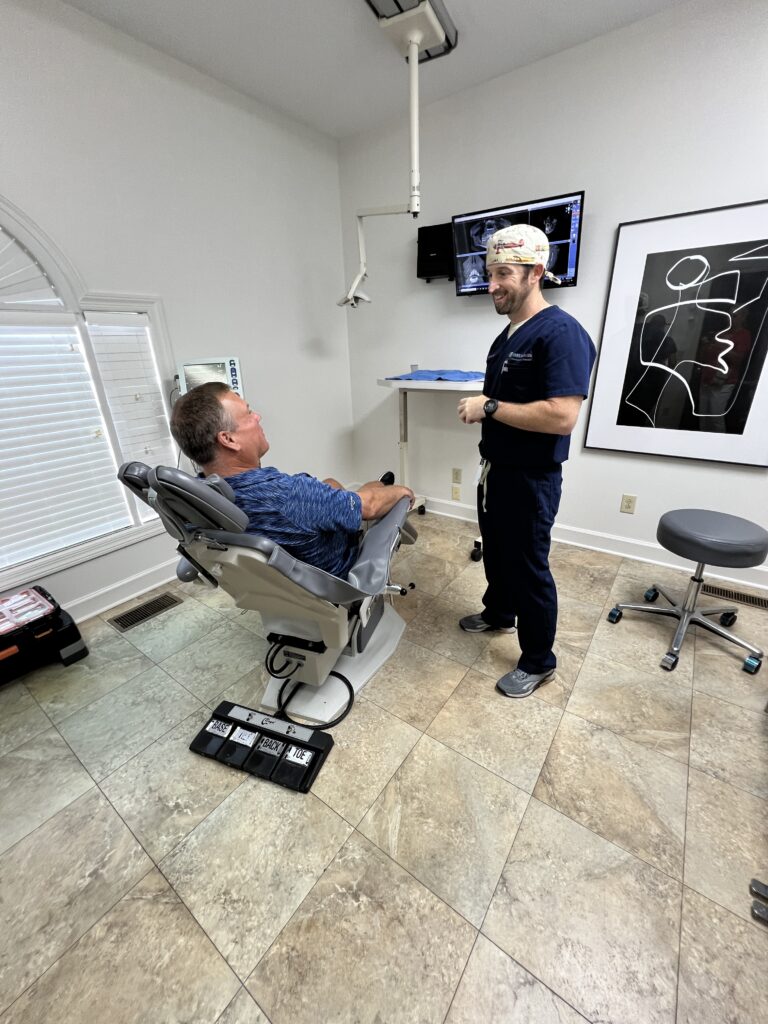
Dr. Cone, with OMS Nashville, is Dual-Board Certified, a Diplomate of the American Board of Oral & Maxillofacial Surgery and the National Board of Dental Anesthesiology, and is very familiar with the effects of stress on oral health.
Stress can quietly manifest in the mouth long before patients realize anything is wrong. “Oral health is deeply connected to what’s happening elsewhere in the body,” Dr. Cone explained. “When stress becomes chronic, it doesn’t just alter sleep or mood—it shows up in jaw tension, inflammation, decreased immunity, and even infection.”
One of the most common stress-related conditions dentists and oral surgeons encounter is bruxism, or teeth grinding. Often occurring during sleep, bruxism can wear down enamel, fracture teeth and restorations, and place excessive strain on the jaw joint. Patients may wake up with headaches, facial soreness, or stiffness without immediately connecting those symptoms to stress.
One of the best ways to prevent grinding teeth at night is to wear a mouthguard while sleeping. Without treatment for teeth grinding, one can break or crack teeth or wear them down, which may ultimately lead to damage that cannot be repaired. Teeth may require surgical removal or dental implants to replace them.

Beyond grinding, temporomandibular joint (TMJ) disorders can also be exacerbated by stress. TMJ disorders include a variety of conditions affecting the joints that connect the lower jaw to the skull, as well as the muscles responsible for chewing. Symptoms may include jaw pain, stiffness, or clicking and popping sounds during movement. These issues arise when the jaw joints and the muscles of mastication (chewing muscles) are not functioning correctly together.
Advances in diagnostic techniques and treatment options have made TMJ disorders more readily identifiable and manageable. It should be noted that certain TMJ conditions can progress if left untreated, making early evaluation and appropriate care an essential role in preventing more serious complications. “The jaw is a natural place where people hold tension,” Dr. Cone noted. “When stress isn’t addressed, the constant muscle tension can lead to headaches, facial pain, and joint discomfort.”
Even though occasional periods of stress occur every day, prolonged daily stress can gradually undermine the body’s immune defenses. Cortisol plays an essential role in regulating the body’s inflammation, but when chronic stress disrupts that normal function, inflammatory responses can become out of control.
Over time, this imbalance may affect overall health and the condition of the mouth and gums, making the gums more susceptible to infection and slower to heal after dental procedures. This can increase the risk of periodontal disease, which has been linked not only to tooth loss but also to broader systemic conditions such as high blood pressure, gastrointestinal issues, or back pain, to mention a few.
A warning sign that is regularly overlooked is dry mouth, which can be caused by stress or by medications used to manage anxiety. With less saliva to naturally protect teeth and gums, bacteria can multiply more easily, increasing the risk of cavities and leaving the mouth feeling uncomfortable and dry.
At OMS Nashville, Dr. Cone takes a comprehensive approach—one that looks beyond isolated symptoms. “We encourage patients to see oral health as part of their overall wellness,” he said. “Sometimes treating the physical issue also means addressing the lifestyle factors contributing to it.”
That approach may include custom oral appliances to protect teeth from grinding, minimally invasive surgical procedures when necessary, and close coordination with general dentists and other healthcare providers. Equally important is patient education. Helping patients understand the connection between stress and oral health equips people to make life changes and adopt habits that go far beyond the dental chair.
Simple strategies—like improving sleep quality, managing daily stress, and maintaining consistent oral hygiene—can have a meaningful impact. Routine dental checkups are also an integral part, enabling early detection of potential issues before they become more serious.
In a time when holistic wellness is gaining more attention, oral health deserves a seat at the table. With proper oral care and awareness, it can lead to improved habits, lasting comfort, and a stronger foundation for overall well-being and oral health. As Dr. Cone emphasized, “The mouth is not isolated from the rest of the body—it is an integral part of overall health. When we listen carefully to the signs it provides, we often identify conditions that extend well beyond the teeth and gums. Routine dental care is critical to detect and manage oral disease early, often preventing the need for more invasive surgical intervention and reducing the risk of systemic health consequences.”
Dr. Cone joined OMS Nashville in 2020 and enjoys practicing a full scope of oral surgery, including wisdom teeth removal, dental implants, orthognathic surgery, facial cosmetics, TMJ, and oral pathology. To make an appointment, call (931) 208-0216 or visit omsnashville.com.
Share this story
To share this on your Instagram Story: Tap “Share” to copy the link. Open Instagram, go to “Your Story,” add a background photo/video, tap the 🔗 icon, paste the link, and hit Done. Add stickers or text like “Check this out!” then tap “Your Story” to post. Quick and easy—thanks for sharing!
Related Articles
-
 Setting the Table for What’s Next in Life
 -
 From Runway to Riverbank
 -
 Q & A with Lee Pepper
 -
 Seeing Beauty Through Art — Gallery 48
 -
 411 on the One Big Beautiful Bill Act—6 Key Provisions
 -
 Spring Cleaning for Your Body — Why Your Gut is Like a Garden
 -
 How Football Made America Feel Like Home For #45 Florian Kober
 -
 Never a Bad Day in Puerto Vallarta, Mexico