
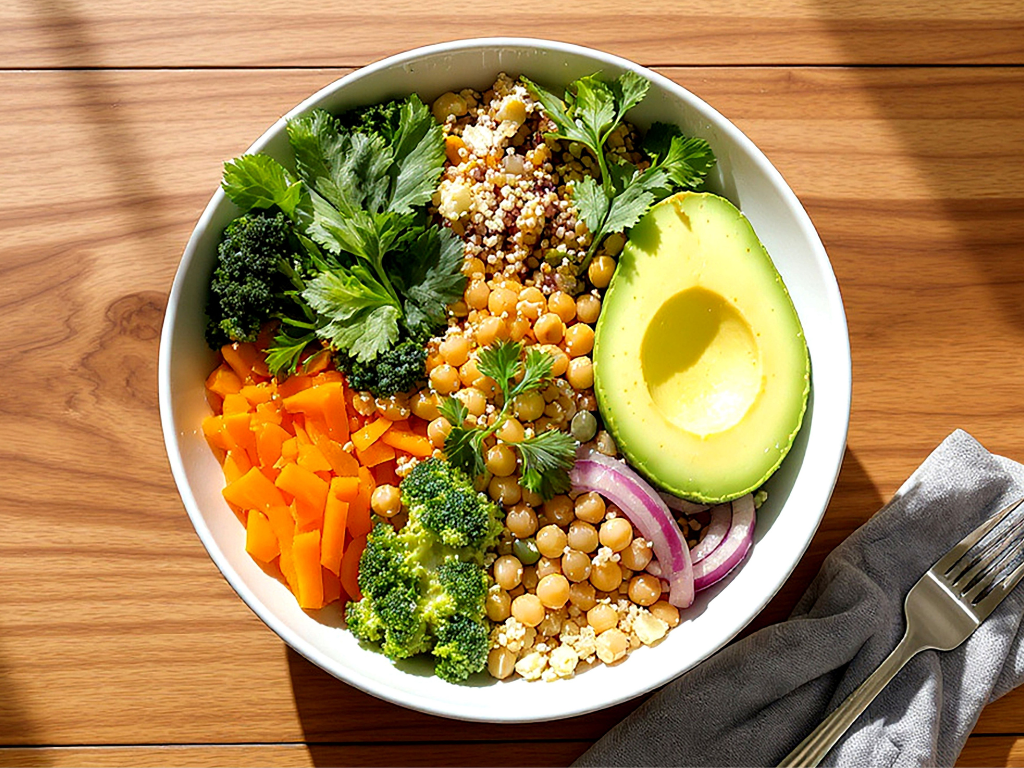
The new food pyramid has sparked significant conversation—and even some controversy. But before exploring what’s changed in the new food pyramid, it’s important to understand why we need to begin these difficult, sometimes uncomfortable discussions. The way we eat today isn’t always helping our bodies thrive, and in some cases, it may be doing more harm than good, contributing to unhealthy outcomes. As Dr. Mark Hyman stated, “Food is not just calories, it is information. It talks to your DNA and tells us what to do. The most powerful tool to change your health, environment, and entire world is your fork.”
I have been on an insulin resistance soapbox with my patients for at least a decade. In extremely simple terms, insulin resistance is a super-tired pancreas that cannot keep up with the level of glucose in the bloodstream. I cannot count how many times I have uncovered insulin resistance, pre-diabetes, or even full-fledged diabetes in the unsuspecting patient. I frequently remind patients that, in today’s world, unless you’re intentionally supporting insulin sensitivity through your lifestyle and nutrition choices, you may be unknowingly overworking your pancreas.
Having elevated glucose in your bloodstream is about one of the most poisonous things you have lurking in your body. High glucose levels destroy tissues, cause cellular dysfunction, and lead to rampant inflammation. This is why the pancreas releases insulin when glucose levels rise, to bring them back down. Dr. Casey Means stated in her book Good Energy, “Refined added sugar causes astronomically more deaths and disability per year than COVID-19 and fentanyl overdoses combined. We need to see refined sugar for what it is: an addictive, dangerous drug that has been included in 74 percent of the foods in the U.S. food system and for which the body needs zero grams in a lifetime.”
Currently, our country is in an insulin resistance and obesity crisis. If you have not yet read The MAHA Report, created by the Make America Healthy Again Commission, I would encourage you to do so. The link is provided at the bottom of this article for reference, but let’s review a few of the extremely sobering findings from the report. One in five children over the age of six is obese, 75% of American youth are ineligible for military service primarily due to obesity and Diabetes, and 70% of children’s calories come from ultra-processed foods.
After examining the realities surrounding nutrition and chronic disease in our country, it’s time to look at the cultural shift in health that this new food pyramid brings. Its core message is refreshingly simple: focus on eating real food, defined as whole, unprocessed, non-modified foods. This shift would transform our country’s health crisis, and the new food pyramid promotes real food, which is a huge win.
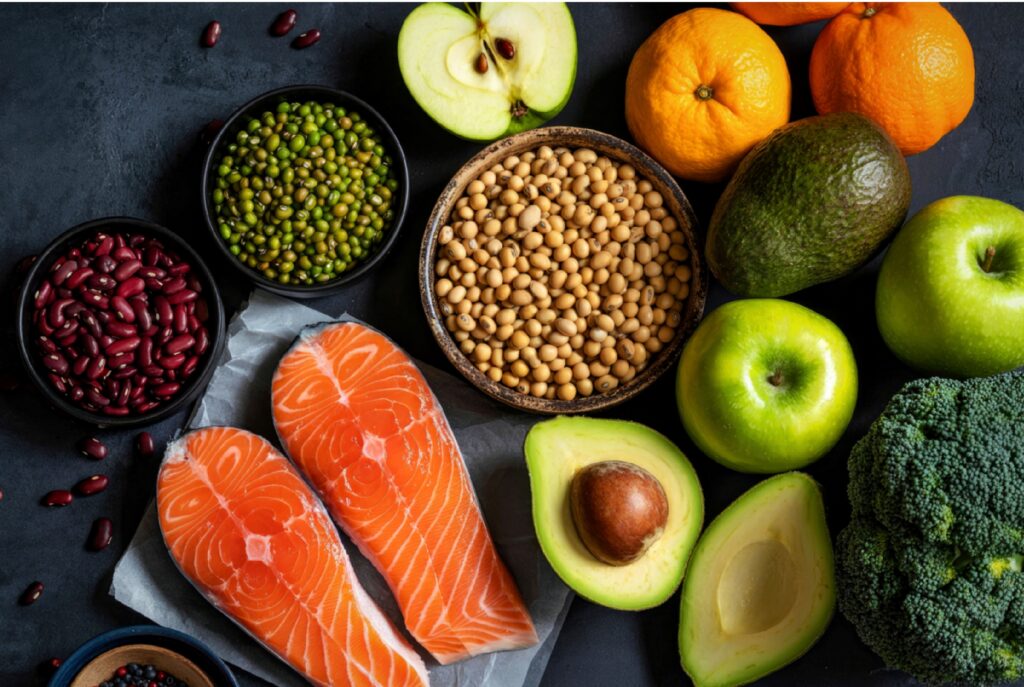
No one can argue that ultra-processed food is healthy. In fact, after the introduction of processed foods in the 1950s, our rates of obesity have tripled. According to Dr. Casey, these ultra-processed industrial foods are chemically engineered to be addictive and make up nearly 70 percent of the calories that people in the United States consume today.
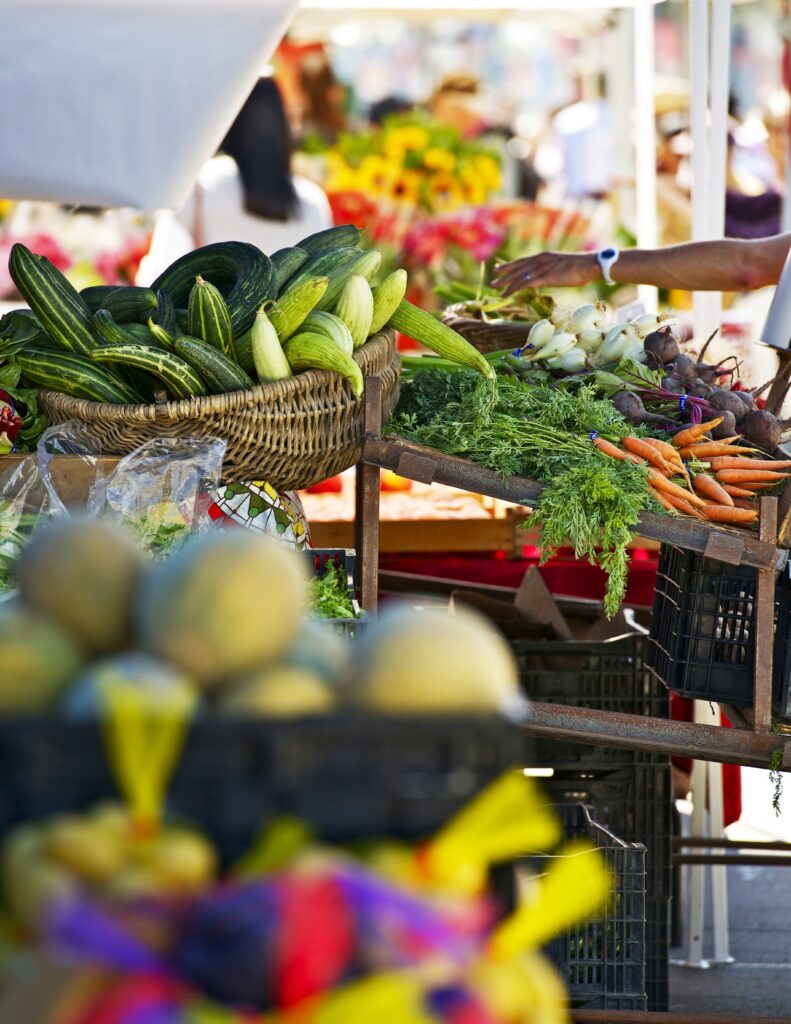
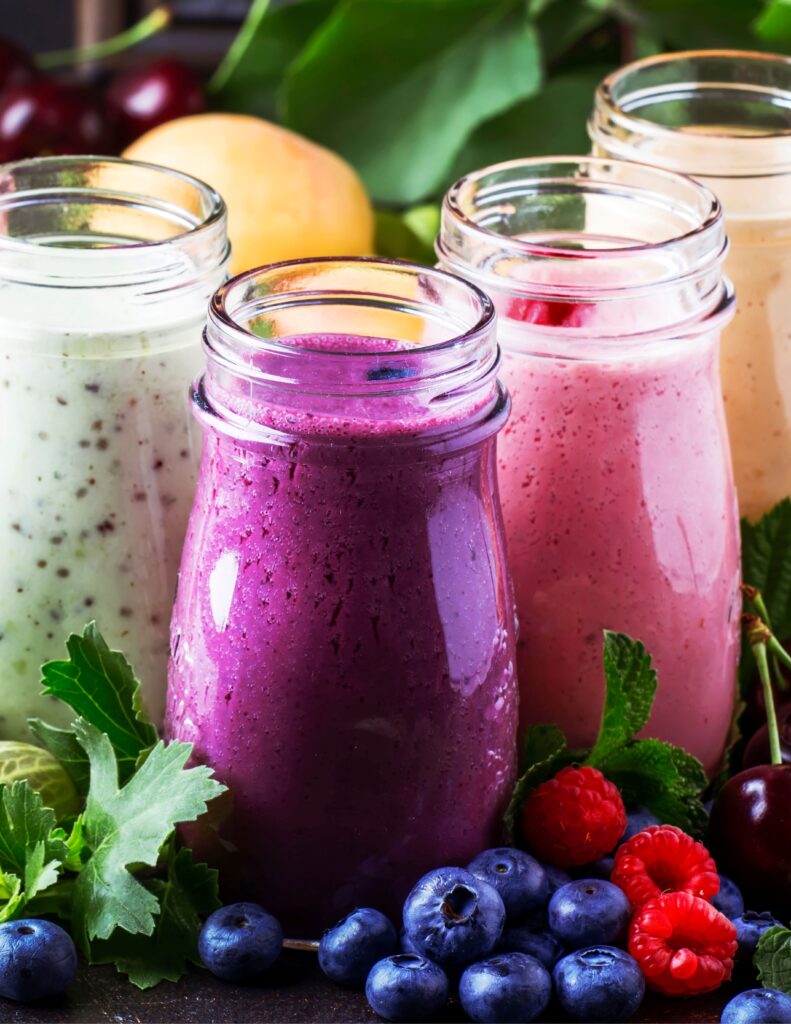
I encourage my patients to eat as many different whole foods as they can. I try to use simple suggestions, such as having as many colors on their plate as possible or making a 10-plant smoothie. I encourage shopping at the farmers’ market to support local farmers and try new foods. The diversity in whole foods feeds the microbiota (the trillions of bacteria living in our gut) and microbiome (the ecosystem of our GI tract). Eating as many colors as possible provides our bodies with essential phytonutrients that support cellular function and detoxification.
The new food pyramid also prioritizes protein. Again, I encourage my patients to get protein from trusted sources as local and organic as possible. A steak from your local farmer via a cow raised on grass is completely different from a steak from a cow raised on corn in a feedlot. Protein is essential to helping us not overeat, maintaining muscle mass, and promoting cellular recovery. Realfood.gov provides appropriate portion sizes and daily protein recommendations based on your age and size.

The new food pyramid also prioritizes protein. Again, I encourage my patients to get protein from trusted sources as local and organic as possible. A steak from your local farmer via a cow raised on grass is completely different from a steak from a cow raised on corn in a feedlot. Protein is essential to helping us not overeat, maintaining muscle mass, and promoting cellular recovery. Realfood.gov provides appropriate portion sizes and daily protein recommendations based on your age and size.
A note on fats. The new food pyramid advises using olive oil, butter, or beef tallow instead of seed oils. It still advises that this should be a very small percentage of daily calories consumed. When in doubt, use olive oil. It has been around for thousands of years and has stood the test of time. Personally, I look forward to seeing more unbiased studies on seed oils in the future, not biased by the food industry.

STEPHANIE FENNEMA, PA-C, has been a Physician assistant for 20 years. She started her career at the University of Alabama at Birmingham’s surgical PA program and has never lost her love for surgery and sutures. She has functional medicine training through the Institute for Functional Medicine and spent nine years working alongside a functional medicine MD.
Share this story
To share this on your Instagram Story: Tap “Share” to copy the link. Open Instagram, go to “Your Story,” add a background photo/video, tap the 🔗 icon, paste the link, and hit Done. Add stickers or text like “Check this out!” then tap “Your Story” to post. Quick and easy—thanks for sharing!
Related Articles
-
 A Storied Home on School Street, Ready for Its Next Chapter
 -
 The Story Behind the Story Making Maury
 -
 Sicily: Land of the Gods
 -
 A Taste of Italy at Home: Limoncello
 -
 Opening the Doors for a Cause
 -
 A Father’s Day Surprise — Dad Will Actually Use
 -
 Make a Toast to Mom and Dad this Mother’s & Father’s Day
 -
 Home Additions — Creating Spaces You Love!
 -
 The Architecture of a Home Build
 -
 STRONG FATHERS, STRONG FAMILIES: Why Dad’s Health Matters More Than You Think
 -
 Taliaferro — Estate Living in the Heart of Williamson County
 -
 Taylor Hughes — Something in That Saddle
 -
 Leslie Curtis Jewelry Designs